
Exercise Your Mind And Body.
Discover a transformative approach to physical therapy; by optimizing movement, and restoring vitality.
Latest Articles
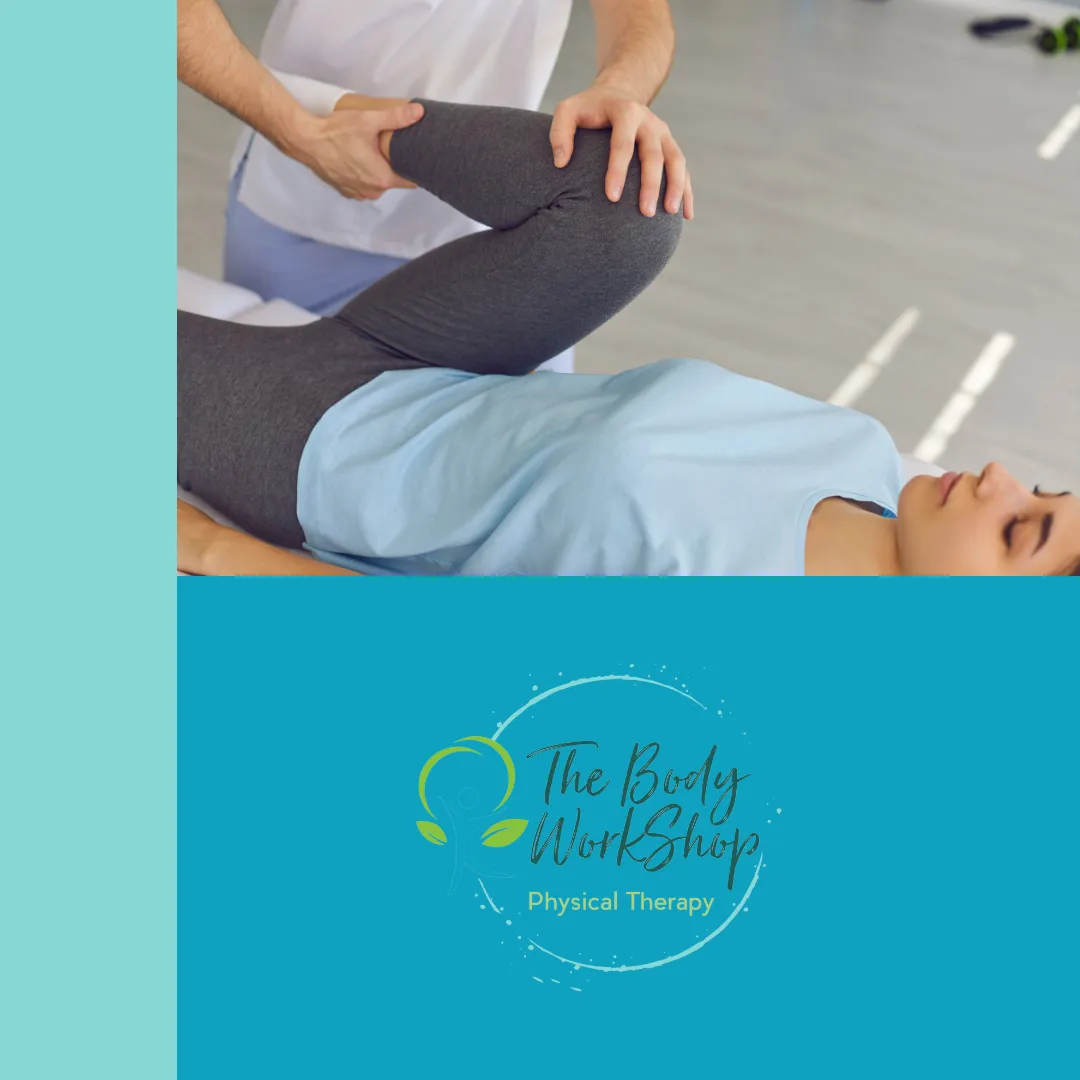
Why Recovery Often Takes Longer Than You Expect (and Why That’s Not a Failure)
Why Recovery Often Takes Longer Than You Expect (and Why That’s Not a Failure)
Many women begin recovery with a quiet timeline in mind.
Six weeks.
Three months.
By the end of summer.
Before the kids go back to school.
When progress doesn’t match that timeline, frustration sets in. Doubt follows. And often, self-blame isn’t far behind.
But here’s the truth: recovery taking longer than expected is incredibly common—and it does not mean something is wrong.
Recovery Is More Than Tissue Healing
When we think about recovery, we often imagine a simple process: injured tissue heals, symptoms go away, and life returns to normal.
But the body doesn’t work in isolation.
Recovery includes:
• Muscles and connective tissue adapting
• The nervous system recalibrating
• Movement patterns relearning efficiency
• Energy systems rebuilding
• Confidence and trust returning
Even when tissue has technically healed, the body may still be adjusting how it moves, responds, and protects itself.
The Nervous System Sets the Pace
One of the biggest influences on recovery speed is the nervous system.
After injury, surgery, illness, or prolonged pain, the nervous system often becomes more protective. This heightened state can show up as:
• Increased sensitivity to movement
• Fatigue that seems disproportionate to activity
• Muscle guarding or stiffness
• Flare-ups after progress
This isn’t weakness. It’s your body trying to keep you safe.
The nervous system doesn’t respond well to rushing. It responds to consistency, predictability, and gradual exposure to movement it can tolerate.
Life Doesn’t Pause for Healing
Recovery rarely happens in ideal conditions.
Most women are healing while:
• Caring for children or family members
• Returning to work too soon
• Managing stress, poor sleep, or hormonal shifts
• Juggling responsibilities that limit rest
These factors matter. Healing requires energy—and when energy is constantly being spent elsewhere, progress can feel slower.
This doesn’t mean you’re doing something wrong. It means you’re human.
Pain and Symptoms Can Linger After “Healing”
Many people are surprised when pain or discomfort remains even after they’re told they’re “healed.”
This doesn’t mean treatment failed.
Pain is influenced by many factors beyond tissue damage, including stress, fear, movement habits, and past experiences. When symptoms have been present for a long time, the body may need extra time to learn that movement is safe again.
Recovery is as much about retraining confidence as it is about restoring strength.
Setbacks Are Part of Progress
One of the most discouraging parts of recovery is the setback.
A good week followed by a bad day.
A flare-up after trying something new.
A sense that you’re back where you started.
Setbacks don’t erase progress.
They’re often signs that your body encountered a new level of challenge and is adjusting. Learning how to respond to these moments—rather than panic or push harder—can make a significant difference in long-term outcomes.
Why Comparison Makes Recovery Harder
It’s tempting to compare your progress to:
• Friends who “bounced back” quickly
• Online timelines and success stories
• Past versions of yourself
But every recovery is influenced by a unique mix of history, stress, workload, health, and support.
There is no universal timeline.
Measuring yourself against someone else’s healing process only adds pressure—something the body doesn’t need when it’s trying to recover.
Progress Isn’t Always Obvious
Recovery doesn’t always look like dramatic improvement.
Sometimes progress looks like:
• Less fear around movement
• Shorter flare-ups
• Faster recovery after activity
• Better sleep
• Improved energy
• More confidence adjusting your routine
These changes matter, even if pain hasn’t completely disappeared yet.
Patience Is an Active Skill
Patience doesn’t mean waiting passively or giving up goals. It means working with your body instead of against it.
Active patience includes:
• Respecting recovery days
• Adjusting expectations when needed
• Progressing movement gradually
• Asking for guidance instead of guessing
• Trusting that slow progress is still progress
Healing is not a race—and rushing often delays the outcome you want most.
You’re Not Behind
If recovery is taking longer than you expected, you are not failing. You’re navigating a complex process that deserves care, understanding, and support.
Your body is adapting, even when it doesn’t feel like it.
And with the right guidance, progress doesn’t have to be fast to be meaningful it just has to be steady.
Get A Jump On Your Day.
Get a summary of our latest articles by subscribing to our newsletter below.