
Exercise Your Mind And Body.
Discover a transformative approach to physical therapy; by optimizing movement, and restoring vitality.
Latest Articles
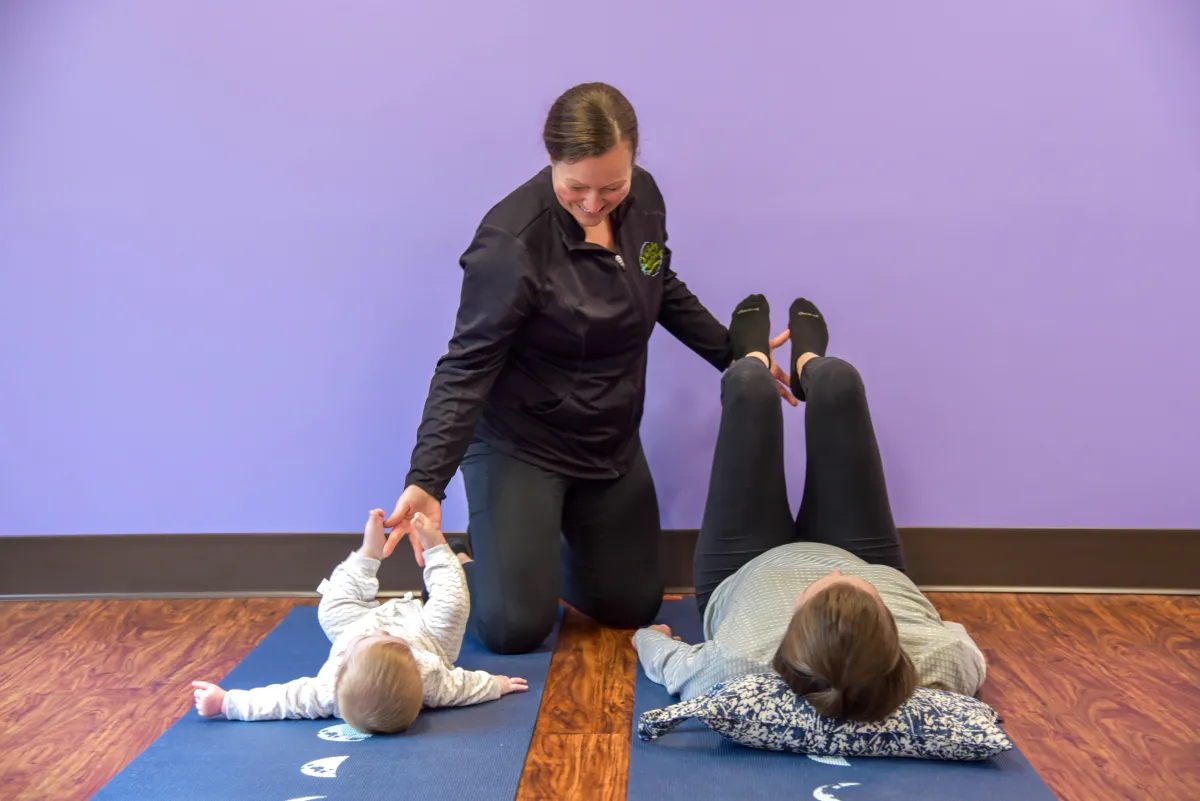
What a Pelvic PT Session Actually Looks Like
What a Pelvic PT Session Actually Looks Like
If you have never been to pelvic floor physical therapy, your imagination has probably done you a disservice. Maybe you pictured something clinical and cold, or something so intimate it felt easier to just not go. Maybe a friend mentioned it and you nodded along and quietly filed it under things I will look into eventually. That gap between what people imagine and what a session actually involves is one of the biggest reasons women wait years before booking, so let's close it.
Before Anything Physical Happens, There Is a Conversation
Your first visit starts the same way any good healthcare visit should, with talking. Your therapist will ask about your symptoms, your history, your goals, and what a good day and a bad day look like for you. This might include questions about bladder habits, bowel habits, pregnancy and delivery history, pain patterns, or sexual function, depending on why you are there. Nothing is assumed. You are only ever asked about what is relevant to you, and you are always allowed to say I would rather not answer that right now.
This part of the visit usually takes longer than people expect, and that is intentional. Pelvic health is tangled up with so many parts of daily life that a rushed conversation would miss the real picture.
The Physical Exam Is Explained Every Step of the Way
Not every pelvic PT visit includes an internal exam, and it never happens without your full understanding and consent first. Your therapist will walk you through what an assessment might involve, why it is useful, and what your options are. You can ask for an external only assessment. You can ask to stop at any point. You can ask questions the entire time.
After the Assessment, You Leave With a Plan
A pelvic PT session is not just poking and prodding followed by a shrug. You will leave with an actual understanding of what is going on in your body and a plan to address it. That might include specific exercises, breathing and pressure management strategies, manual therapy techniques, or education about habits that could be contributing to your symptoms. Homework is usually small and specific rather than an overwhelming list, because consistency with a few things beats perfection with many.
Follow up visits look different from the first one. There is less talking and more doing, since your therapist already has the full picture. Sessions might include hands on treatment, guided exercise, biofeedback, or progress checks against your original goals.
The Bottom Line
A pelvic PT session is a conversation first and a treatment second, led entirely by your comfort level. Nothing happens to you without you understanding it and agreeing to it first. If fear of the unknown is the only thing standing between you and relief, hopefully this makes the unknown a lot smaller.
If you are dealing with pelvic pain, bladder leaks, pressure, or anything else that has made you wonder whether pelvic PT might help, reach out. Your first conversation can happen before you ever get on the table.

Get A Jump On Your Day.
Get a summary of our latest articles by subscribing to our newsletter below.