
Exercise Your Mind And Body.
Discover a transformative approach to physical therapy; by optimizing movement, and restoring vitality.
Latest Articles
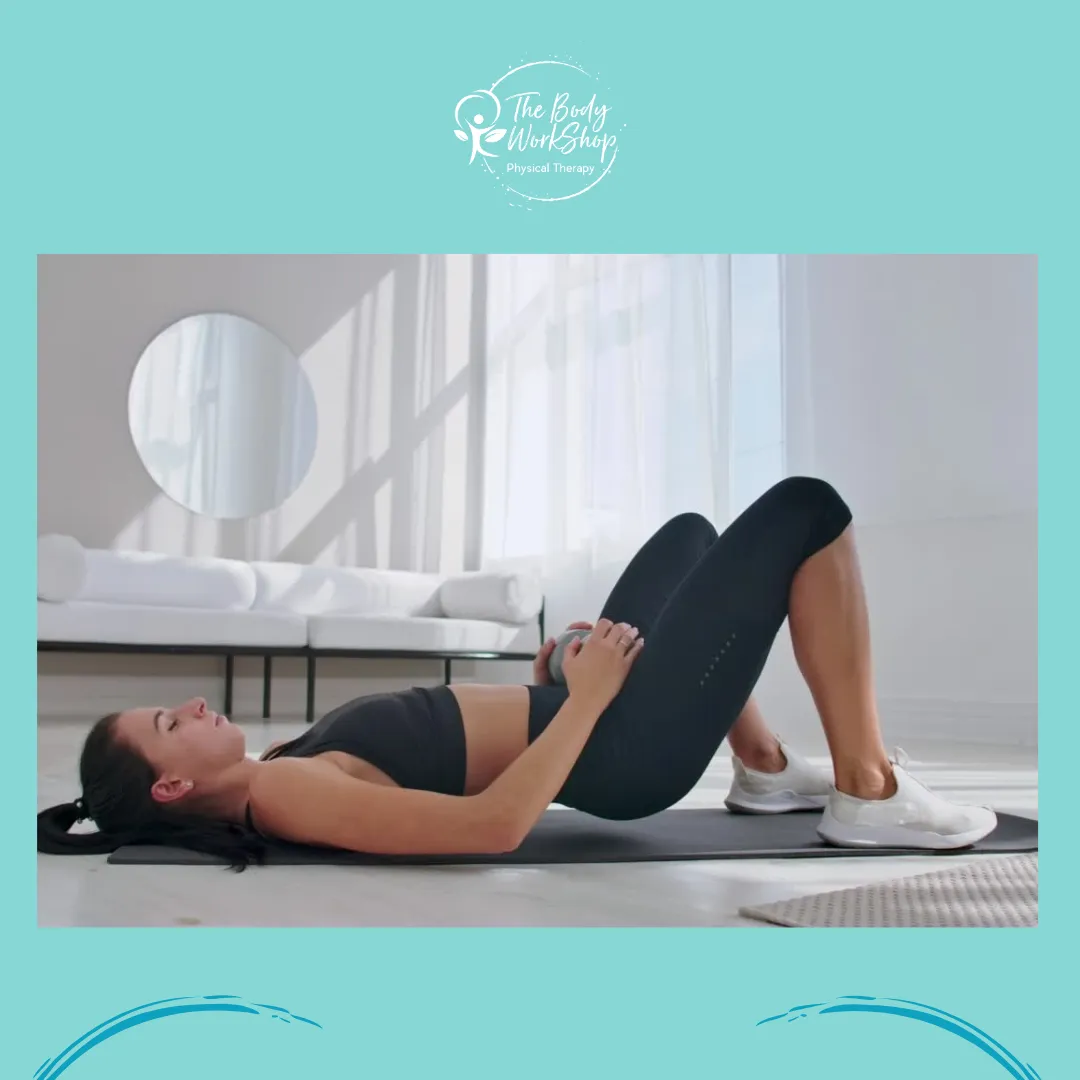
What Prolapse Really Means
Something Feels Different Down There: What Prolapse Really Means
It usually starts with a feeling more than a symptom. A heaviness by the end of the day, like something is sitting a little lower than it should. Maybe you noticed a bulge in the shower and quickly looked away. Maybe tampons stopped staying put, or you find yourself shifting on the toilet to fully empty your bladder. And then, like so many women, you did one of two things. You googled it at midnight and scared yourself half to death, or you decided not to think about it at all.
If that sounds familiar, take a breath. What you might be feeling has a name, it is far more common than anyone talks about, and in many cases it responds really well to conservative care.
What prolapse actually is
Pelvic organ prolapse happens when one or more of the pelvic organs, usually the bladder, uterus, or rectum, shifts downward and presses into the vaginal wall. These organs are held in place by ligaments, connective tissue, and the muscles of the pelvic floor. When that support system gets stretched, weakened, or overloaded, the organs can sit lower than they should.
It is not your organs falling out. That is the fear almost everyone has, and it is almost never what is happening. Most prolapse is mild to moderate, and plenty of women with early prolapse have no idea until a provider mentions it during a routine exam.
How common is it?
Very. Research suggests that up to half of women who have given birth show some degree of prolapse on exam, though far fewer ever notice symptoms. Vaginal birth, especially a long pushing stage or a larger baby, is one of the biggest risk factors. But it is not the only one. Chronic constipation, heavy lifting while holding your breath, a long lasting cough, and the hormonal shifts of perimenopause and menopause all play a role. Women who have never had children can experience prolapse too.
Signs worth paying attention to
Prolapse does not always feel the way people expect. Common signs include:
• Heaviness, pressure, or a dragging feeling in the pelvis, often worse late in the day
• A bulge you can see or feel at the vaginal opening
• Trouble fully emptying your bladder or bowels
• Leaking, or needing to change position to start or finish peeing
• Discomfort with intercourse, or a sense that things just feel different
• A low back ache that eases when you lie down
A helpful clue Prolapse symptoms often feel better in the morning and worse as gravity does its work through the day. If that pattern sounds like you, it is worth mentioning to your provider. |
Why physical therapy comes first
Here is the part most women never hear. For mild to moderate prolapse, pelvic floor physical therapy is widely recommended as a first step, often before surgery is ever part of the conversation. Studies have shown that targeted pelvic floor training can reduce symptoms and help women feel more supported day to day.
And no, this is not about doing a hundred Kegels a day. Good prolapse care looks at the whole system. That means learning to coordinate your breath with your pelvic floor, so pressure moves through your body instead of pushing straight down. It means building strength in your deep core, hips, and glutes so the pelvic floor is not doing all the work alone. It means looking at how you lift your toddler, your groceries, or your barbell, and finding strategies that let you keep doing the things you love.
Sometimes it also means addressing what makes symptoms worse from one day to the next, like straining on the toilet, holding your breath during effort, or a pelvic floor that is actually too tight rather than too weak. A skilled pelvic PT will assess all of this and build a plan around your body and your goals.
For some women, a pessary, a small supportive device fitted by your doctor or another trained provider, works alongside physical therapy and can make a real difference. We are always happy to talk through how these options fit together.
You do not have to stop living your life
One of the hardest parts of a prolapse diagnosis is the fear that comes with it. Women stop running. They stop picking up their kids. They stop exercising altogether because they are afraid of making it worse. That fear can end up being just as limiting as the prolapse itself.
The goal of pelvic PT is not to wrap you in bubble wrap. It is to help you understand your body, build real capacity, and get back to the activities that matter to you with confidence. Many women with prolapse go on to run, hike, lift, and chase their kids around without a second thought.
When to reach out
If something feels different down there, trust that instinct. You do not need to wait until symptoms are severe to ask questions, and early care tends to be simpler care.
At Body Workshop, we work with women at every stage, from new moms noticing heaviness for the first time to women in menopause who have been quietly managing symptoms for years. If you are ready to understand what is going on and what is possible for you, we would love to hear from you.

Get A Jump On Your Day.
Get a summary of our latest articles by subscribing to our newsletter below.