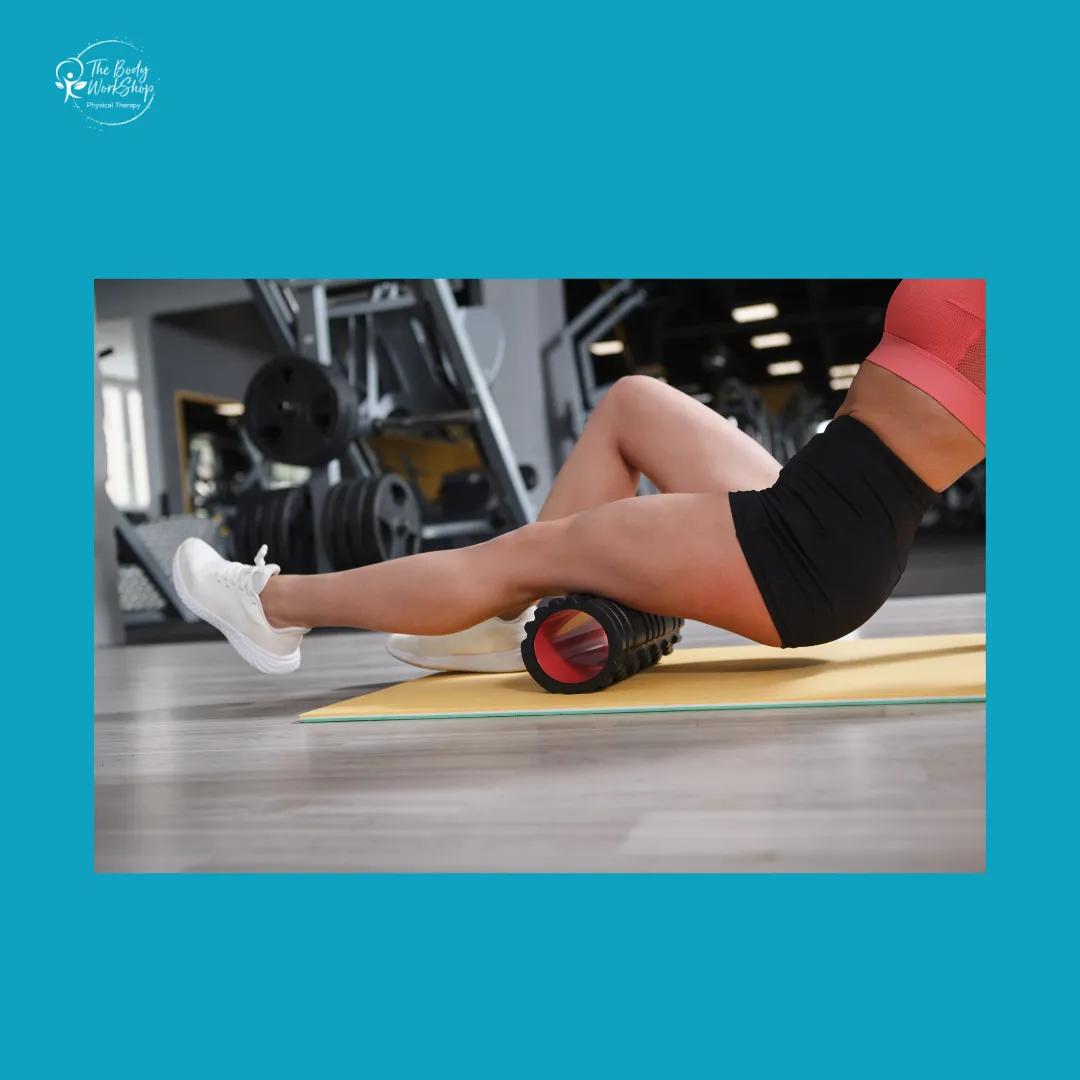
Strength Training After 45
Strength Training After 45: How to Lift Heavier Without It Working Against You
There is a version of midlife fitness advice that sounds something like this: be careful, take it easy, maybe stick to walking. And if you have been paying attention to what the research actually says, you know that is pretty much the opposite of what women over 45 need.
Strength training is one of the most powerful things you can do for your health in your 40s, 50s, and beyond. It protects bone density, supports metabolism, improves balance and coordination, and helps maintain the muscle mass that naturally starts to decline with age. The goal is not to lift less as you get older. The goal is to lift smarter.
But smarter does mean something specific, especially when it comes to the pelvic floor.
What Changes After 45
The hormonal shifts that happen in perimenopause and menopause affect more than your sleep and your mood. Estrogen plays a key role in maintaining the elasticity and strength of connective tissue throughout the body, including the tissues that support your pelvic floor. As estrogen levels decline, those tissues can become less resilient, which means they need more support, not less activity.
At the same time, many women notice changes in how their core and pelvic floor respond during exercise. Things that never caused problems before, like a heavy deadlift, a loaded squat, or a high-impact class, might start producing symptoms like leaking, heaviness, or pressure in the pelvic region. This is not a sign that you need to stop. It is a sign that your body is asking for a different approach.
The Pelvic Floor Is Part of Your Core
This is something that gets missed in a lot of fitness conversations. When people talk about core strength, they usually mean the visible muscles of the abdomen. But your core is a system, and the pelvic floor is the base of it. It works alongside your diaphragm, your deep abdominals, and the muscles along your spine to manage pressure every time you lift, push, pull, or brace.
When that system is working well, heavy lifting is fine. More than fine, it is actually beneficial for pelvic floor health because it builds strength and coordination throughout the whole structure. The problem comes when there is a mismatch, when the load going through your system exceeds what the pelvic floor can manage in that moment.
That mismatch does not mean you are weak. It means there is a gap that can be addressed.
What Leaking During Exercise Actually Means
Leaking when you lift is common. Common enough that many women have been told it is just part of getting older or having had kids. But common is not the same as normal, and it is definitely not something you have to accept as permanent.
Stress urinary incontinence during exercise can happen for a few different reasons. Sometimes the pelvic floor is weak and cannot generate enough force to resist the pressure of a lift. But just as often, especially in women who are very active or very tense, the pelvic floor is overworked and tight, not underworked. A tight pelvic floor does not coordinate well under load. It cannot do the rapid, reflexive job it needs to do when you brace and lift.
This is why simply adding Kegels to your routine does not always help and can sometimes make things worse. The solution depends on what is actually happening, which is something a pelvic PT can assess.
How to Lift Heavier Without Symptoms
The mechanics of how you breathe and brace during a lift matter more than most people realize. Holding your breath and bearing down creates a significant spike in intra-abdominal pressure that all has to go somewhere. If your pelvic floor cannot absorb it, you will feel it.
Learning to coordinate your breath with your movement, exhaling on the exertion, inhaling on the easier phase, helps distribute that pressure more evenly and gives the pelvic floor a better chance to do its job. It sounds simple, and in some ways it is, but applying it consistently under load takes practice.
Bracing strategy also matters. The goal is not to suck everything in as tight as possible. It is to create a stable, pressurized cylinder through your core that supports both your spine and your pelvic floor simultaneously. This is a skill, and like any skill, it gets better with guidance and repetition.
For women who are working back from symptoms, it often helps to temporarily reduce load or impact while building that coordination, then gradually progress from there. This is not a step backward. It is building a foundation that lets you actually go heavier long term.
Where Pelvic PT Fits In
A pelvic physical therapist can assess how your pelvic floor is functioning and figure out where the disconnect is between your strength goals and your symptoms. From there, treatment might include hands-on work to address tension or restrictions, coordination and breathing exercises specific to lifting, and a progressive return to the weights you want to be lifting.
The goal is not to modify your workout forever. It is to get you to a place where your pelvic floor is a full participant in your training rather than a limiting factor.
Strength training after 45 should feel empowering. If it has started to feel frustrating or embarrassing because of symptoms you cannot explain, that is a solvable problem. You do not have to choose between lifting and feeling good. You can have both.
