
Exercise Your Mind And Body.
Discover a transformative approach to physical therapy; by optimizing movement, and restoring vitality.
Latest Articles
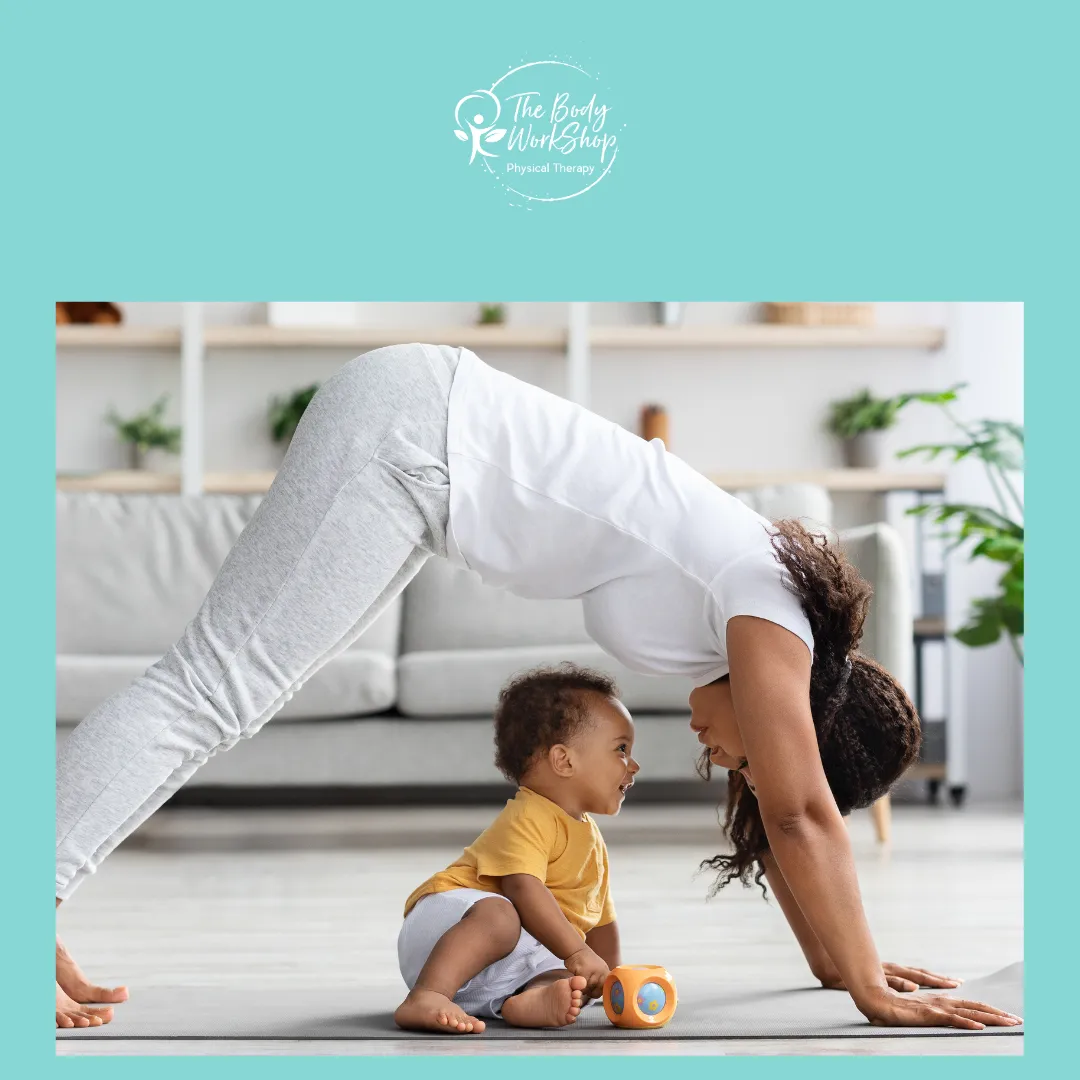
When “Core Strength” Isn’t Really About Your Abs
When “Core Strength” Isn’t Really About Your Abs
If you’ve ever been told to “just strengthen your core” to fix pain, leaking, or instability — you’re not alone. It’s one of the most common pieces of advice women receive after pregnancy, surgery, or injury. And while core strength does matter, the way we usually define it is incomplete.
Your core is more than visible abs or a strong plank. It’s a pressure system — one that includes your diaphragm, deep abdominal muscles, back muscles, and pelvic floor working together. When one piece of that system isn’t doing its job well, the others often compensate. That’s when symptoms show up.
Why Traditional Core Work Falls Short
Many women come to physical therapy frustrated because they’ve been “doing all the right things.” Crunches. Planks. Pilates. Barre. Yet they still experience:
Urinary leakage during exercise
Pelvic pressure or heaviness
Low back or hip pain
Pain with intercourse
A feeling of instability or weakness
This happens because traditional core exercises often increase pressure inside the abdomen without addressing how that pressure is managed. If the pelvic floor can’t coordinate with breathing and movement, strengthening alone may actually worsen symptoms.
The Missing Link: Pressure Management
Every time you breathe, lift, run, laugh, or sneeze, pressure changes inside your body. A healthy core system adapts to those changes seamlessly. When it doesn’t, symptoms appear.
Pelvic floor physical therapy focuses on retraining this system — not just strengthening muscles, but restoring coordination, timing, and responsiveness. Sometimes that means learning how to relax the pelvic floor before strengthening it. Other times it means relearning how to breathe and move together.
Strength Looks Different for Every Body
True strength is functional. It’s the ability to move confidently through daily life and exercise without fear, pain, or embarrassment. That looks different depending on your history.
For some women, strength means returning to running without leaking.
For others, it’s lifting a toddler without back pain.
For others still, it’s healing after cancer treatment or surgery and feeling connected to their body again.
There is no one-size-fits-all approach — and there shouldn’t be.
Rebuilding from the Inside Out
At Body Workshop PT, we take a whole-body approach to core and pelvic health. That means:
Understanding why symptoms are happening
Addressing breathing, posture, and movement patterns
Rebuilding strength progressively and safely
Supporting confidence, not just performance
You don’t need to push harder or do more exercises. Often, you need the right guidance and a plan tailored to your body.
If you’ve been told your symptoms are “normal” — but they don’t feel right — trust that instinct. Your body is asking for support, not silence.
And real strength? It starts from the inside out.

Get A Jump On Your Day.
Get a summary of our latest articles by subscribing to our newsletter below.